Historic & Landmark Restoration
Preserving Historic Architecture Through Precision Metal Replication
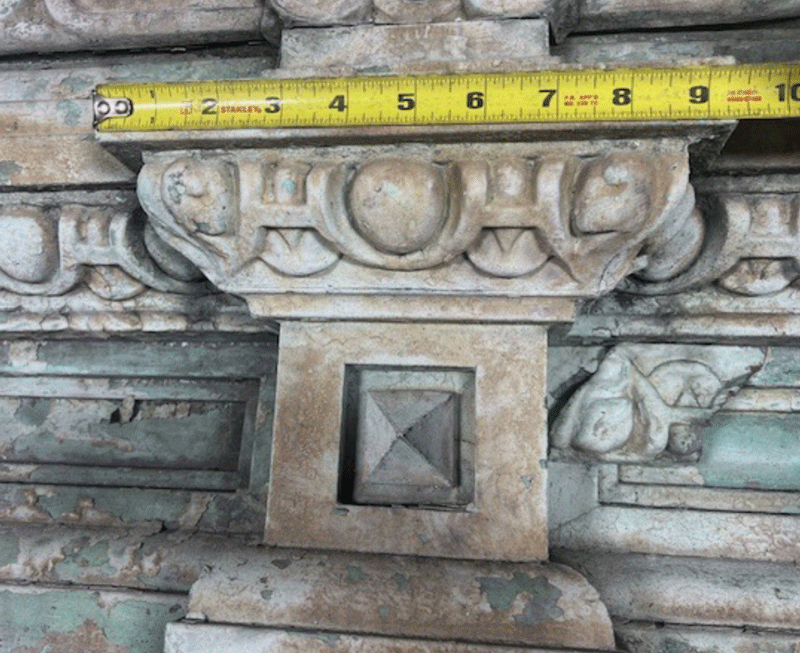
PJ Metal Craft specializes in recreating architectural metal components for historic homes, landmark buildings, churches, institutional properties, and high-end restoration projects. We work from existing samples, field photos, measurements, templates, shop drawings, and 3D scans to replicate original details as closely as possible.
What We Do
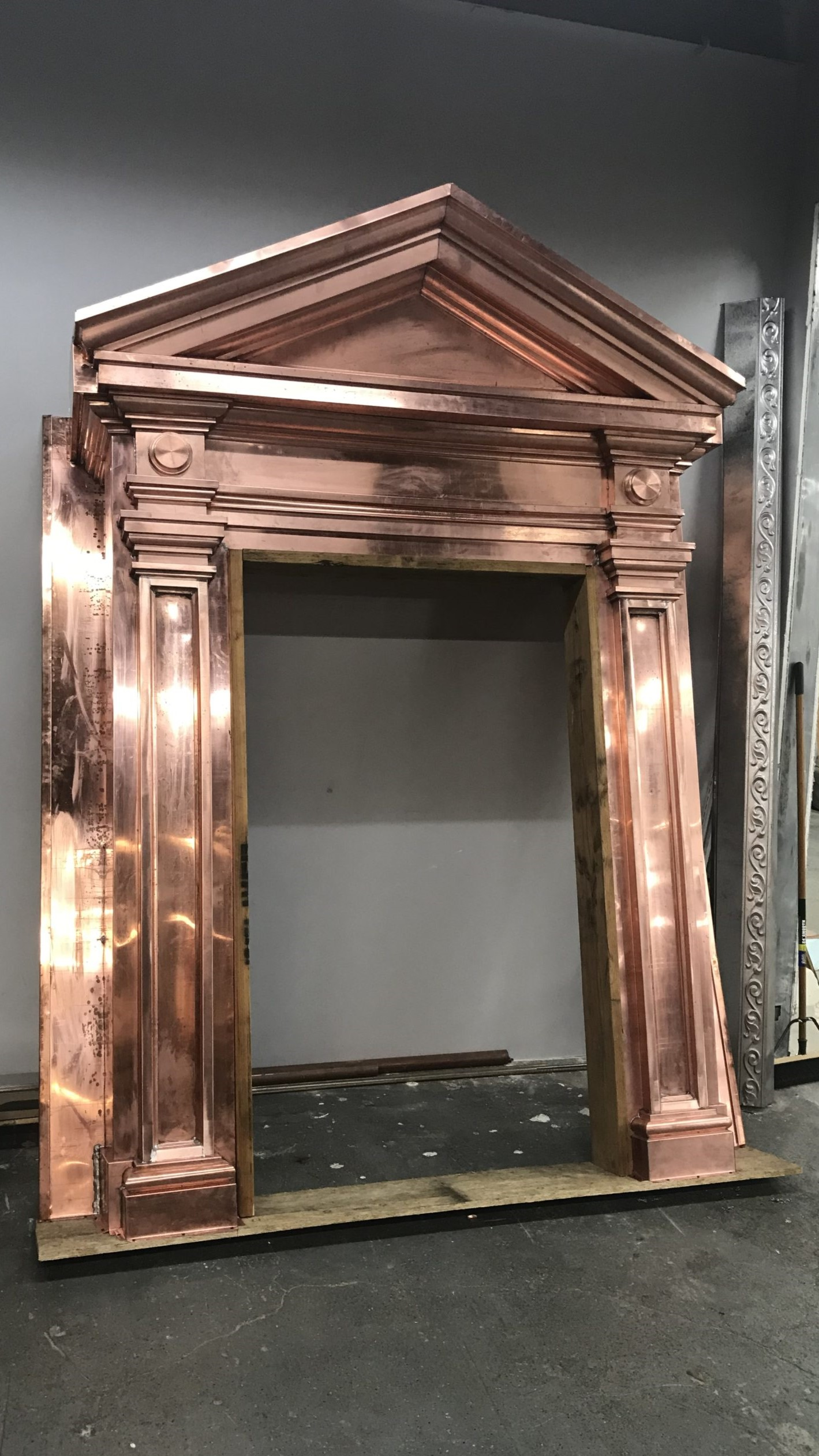
We specialize in restoring damaged, deteriorated, or missing architectural metal elements while preserving the original design intent and historical authenticity of the structure.
Our work combines traditional metalworking techniques, modern CAD modeling, and precision fabrication to recreate architectural details that match the original craftsmanship as closely as possible.
We work with:
- Historic buildings and landmarks
- Churches and cultural institutions
- Government and civic architecture
- Legacy residential properties
- Architectural preservation firms
Whether a component is partially damaged or completely missing, we reconstruct it to match original proportions, materials, and detailing.
Our Capabilities
Architectural Metal Replication
Recreate missing or damaged ornamental elements with precise attention to original form and detailing.
On-Site Assessment & Documentation
Field evaluation of existing conditions, including dimensional recording and photographic documentation.
3D Scanning & Reverse Engineering
Capture existing components to digitally reconstruct missing or deteriorated geometry.
Hand Fabrication of Ornamental Metalwork
Traditional metalworking methods used to match historic craftsmanship and detailing.
Material Matching & Finish Restoration
Copper, zinc, lead-coated copper, and steel matched to existing patina and aging characteristics.
Structural Repair & Reinforcement
Restoration of compromised metal components while preserving original material wherever possible.
How It Works

Site Evaluation & Consultation
We assess the structure, review historical references, and determine restoration feasibility.

Documentation & Measurement
Existing components are measured, photographed, and documented in detail for accuracy.

3D Scanning & CAD Reconstruction (if needed)
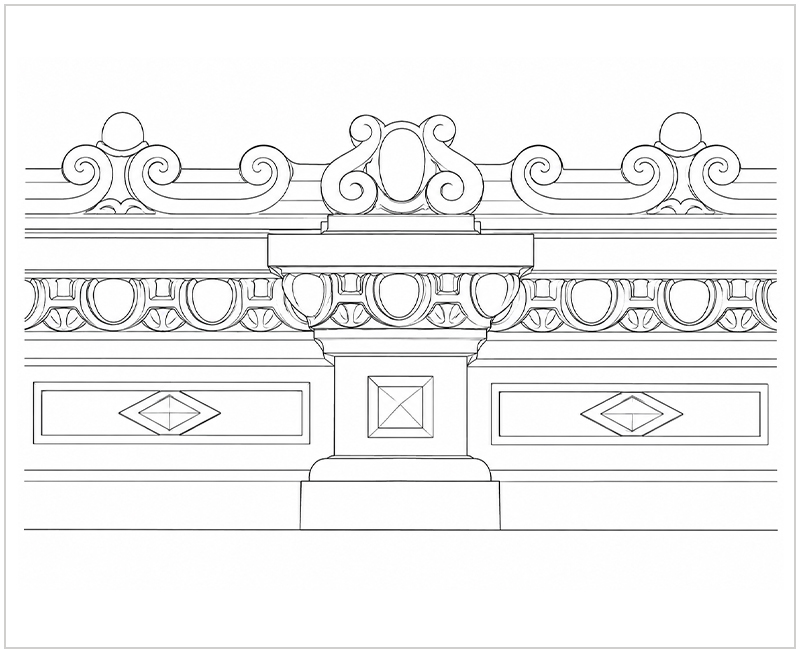
Missing or damaged elements are digitally reconstructed using scan data and CAD modeling.

Restoration Planning & Approval
We present fabrication drawings and methodology for review and approval.

Fabrication & Restoration
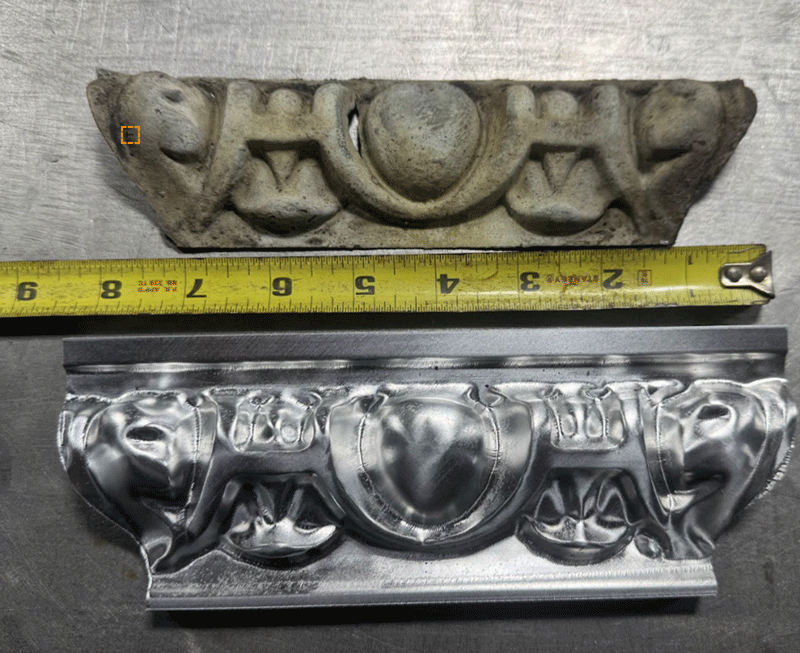
Work Components are recreated using a combination of traditional handcrafting and precision fabrication tools.

Finishing, Matching & Installation
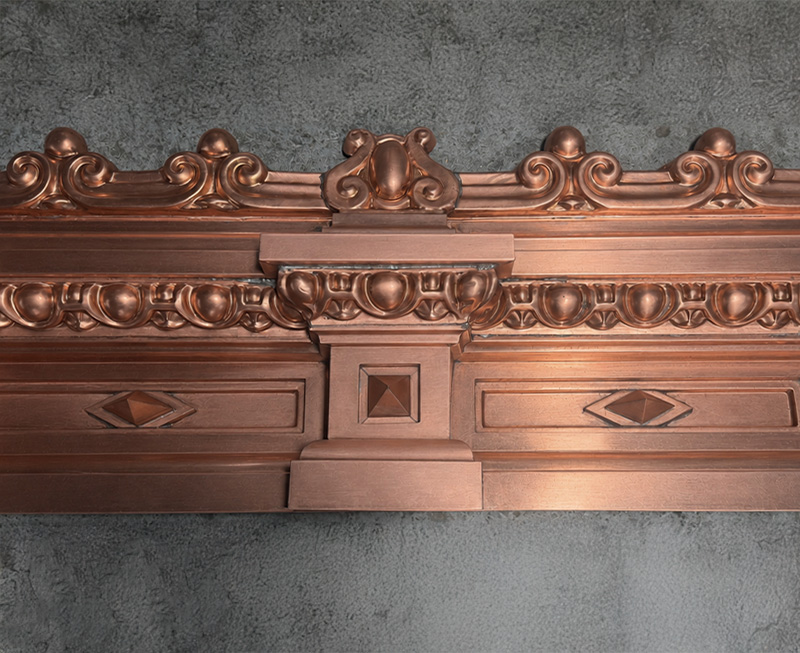
Support Final pieces are patinated, finished, and prepared for seamless integration into the original structure.
*Each process is tailored to your specific project requirements.
Technology & Craftsmanship
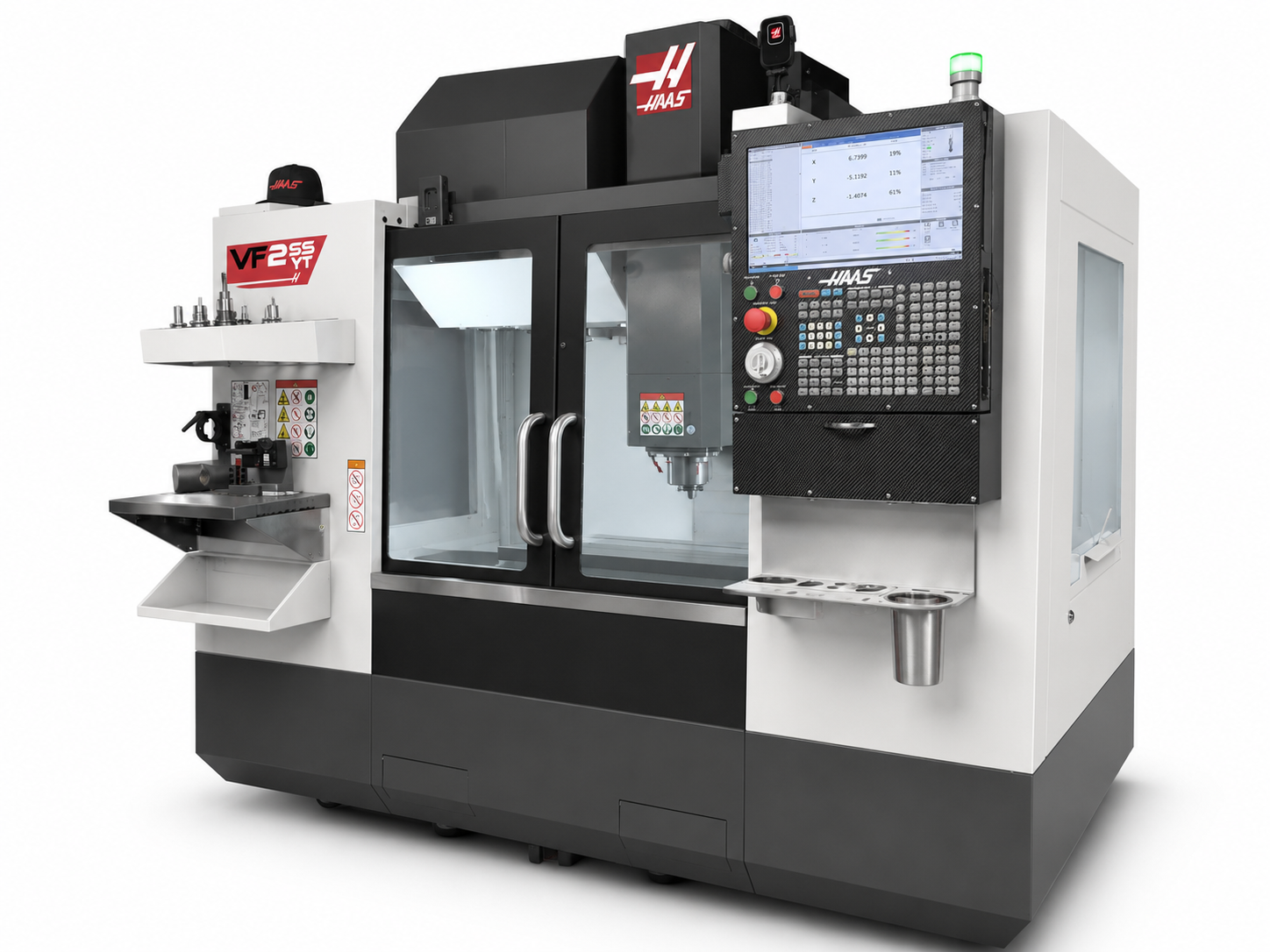
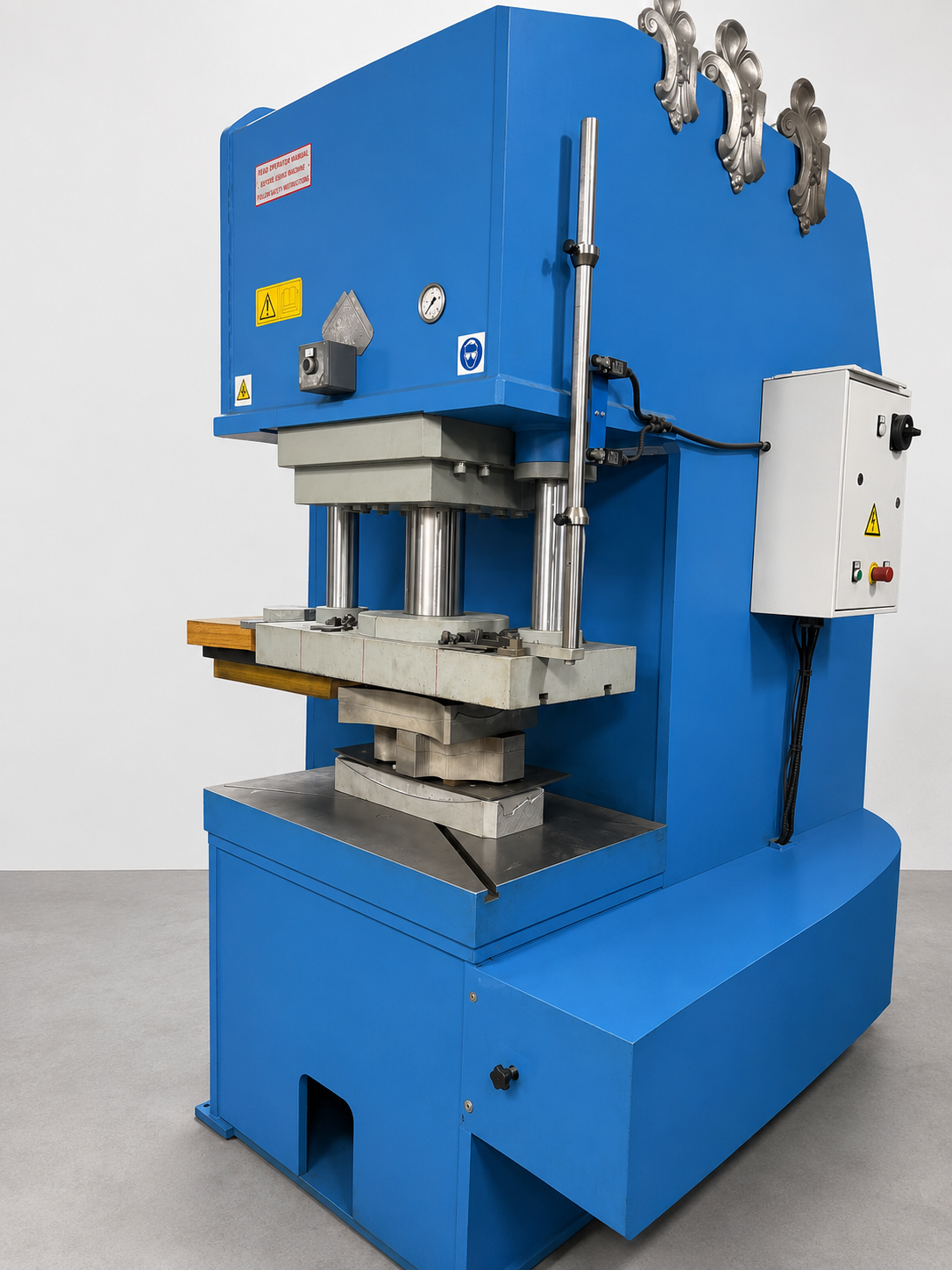
Historical restoration often requires both old-world skill and modern accuracy. We combine traditional European craftsmanship with today’s fabrication tools to recreate complex architectural details.
Our capabilities include:
CNC / Machining
HAAS VF-2SSYT Vertical Machining Center
Knuth X.mill 640
Knuth VHF 2 Mill
Knuth Basic 180 Super Lathe
Knuth Numturn 420 Eco CNC Lathe
Waterjet Cutting
OMAX MAXIEM A-Jet 1530 Waterjet Cutting System
Sheet Metal Bending & Cutting
Schechtl MAX 310/CNC Folding Machine
Schechtl SMT 310/BV Shear
Knuth KSW 200
Knuth HPK 150S Press
Roll Bending Machine
Ring and Profile Bender
Saw Cutting
Knuth VB-510 Vertical Saw
Baileigh Horizontal Band Saw
JET Band Saw
Welding
Miller Millermatic 211 Welder
3D Scanning
Creaform HandySCAN 700
Where Preservation Meets Precision
Why Restoration Matters
Historic metalwork does more than decorate a building—it helps define its character, identity, and architectural significance.
When original elements deteriorate, the goal is not simply to replace what was lost, but to preserve the intent, craftsmanship, and visual integrity of the structure.
Our restoration approach is guided by four principles:
- Preserve original material whenever feasible
- Replicate missing or damaged details with historical accuracy
- Respect the building’s original design language
- Deliver long-term performance using proven materials and methods
Every project is approached as a continuation of the original craft, ensuring that historic buildings retain their character for future generations.
Every Detail Matters
In historic restoration, even small changes in profile, proportion, or material can alter the appearance and character of a building.
That is why our process emphasizes careful planning, precise fabrication, and close adherence to original architectural details.
Our work is built on:
- Thorough field documentation and investigation
- Accurate shop drawings and detailing
- Material compatibility and proper fabrication methods
- Faithful replication of historic profiles and ornamentation
- Clean seams, soldering, and finishing
- Clear communication with architects, consultants, and owners
- Durable craftsmanship designed to serve for generations
The result is restoration work that respects the past while meeting the demands of long-term performance.
Frequently Asked Questions
Can you match existing patina and aging?
Yes. We carefully match finish, tone, and weathering so new work integrates seamlessly with existing material.
Do you work with historic preservation guidelines?
Yes. We regularly collaborate with architects, engineers, and preservation consultants.
Can damaged pieces be repaired instead of replaced?
Whenever possible, we restore original material before considering replication.
Do you handle full façade restoration projects?
Yes. We work on both individual components and full architectural systems.
What materials do you specialize in?
Copper, zinc, lead-coated copper, stainless steel, and select architectural steels.
Preserve the character of your building with precision restoration.
From landmark facades to intricate ornamental details, we restore architectural metalwork with the care, accuracy, and craftsmanship these structures deserve.